Governo britânico discute medidas diante da crise energética e inflação crescente causada pelo conflito na região do Golfo
O Reino Unido realiza reunião emergencial para avaliar os impactos econômicos da guerra no Irã, focando em energia, inflação e finanças públicas.
Reunião emergencial do Reino Unido para enfrentar impacto econômico da guerra no Irã
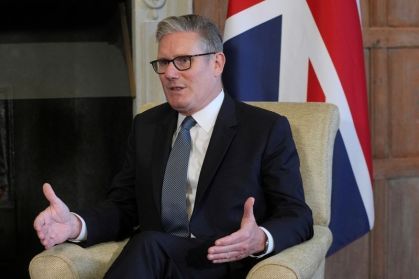
O Reino Unido convocou uma reunião emergencial para o dia 23 de janeiro de 2026 com o objetivo de avaliar o impacto econômico da guerra no Irã. O encontro será presidido pelo primeiro-ministro Keir Starmer e contará com a presença da ministra das Finanças, Rachel Reeves, e do governador do Banco da Inglaterra, Andrew Bailey. A situação no Golfo, marcada por ameaças de ataques iranianos a infraestruturas de energia e água, tem causado apreensão nos mercados financeiros globais.
Cenário econômico britânico diante da crise energética e inflação crescente
A strong dependence on imported natural gas, combined with persistently high inflation and strained public finances, has intensified the United Kingdom’s economic vulnerability amid the ongoing conflict in the Middle East. The war in the Irã region threatens to push inflation rates up to 5% within the year, complicating the country’s already slow economic growth. The government’s recent package of 53 million pounds aimed at households using heating oil reflects attempts to mitigate the rising energy costs, but pressure mounts for broader support measures as market tensions grow.
Impactos nos mercados financeiros e perspectiva para política monetária
Investors have reacted strongly to the crisis, triggering significant losses in UK government bonds, with 10-year yields exceeding 5%, a level unseen since the global financial crisis two decades ago. This volatility indicates a reassessment of the fiscal vulnerability caused by soaring energy prices. The Bank of England has signaled readiness to intervene to keep inflation near its 2% target, with policymakers weighing the necessity of interest rate hikes despite earlier expectations of cuts. Governor Andrew Bailey has described it as premature to confirm such adjustments but acknowledged the changing financial landscape.
Principais temas a serem discutidos na reunião COBRA
The Ministry of Finance outlined the main topics for the emergency COBRA meeting: assessing the economic impact on families and businesses, enhancing energy security, reinforcing industrial and supply chain resilience, and coordinating international responses. Besides Starmer, Reeves, and Bailey, Foreign Secretary Yvette Cooper and Energy Secretary Ed Miliband will participate, underscoring the multidimensional approach required to address the crisis.
Desafios fiscais e medidas de apoio no horizonte britânico
The ongoing conflict’s pressure on commodity prices could force the government to reconsider fiscal consolidation efforts, potentially leading to tax increases later in the year if substantial support measures become necessary. Rachel Reeves has emphasized the preference for targeted assistance rather than broad-based subsidies at this stage. However, financial market reactions suggest growing concern about the government’s ability to manage the combined shock of energy price spikes and inflationary pressures.
Análise do impacto global e implicações para a estabilidade econômica
The escalation in the Middle East conflict and its economic repercussions have introduced a new phase of uncertainty in global markets. The UK’s position, with significant exposure to imported energy and fragile public finances, exemplifies the challenges faced by countries balancing geopolitical risks with domestic economic stability. As markets price in potential central bank responses and fiscal adjustments, the unfolding situation demands close monitoring and coordinated policy action to mitigate adverse outcomes.
Fonte: www.cnnbrasil.com.br
Fonte: Pool via REUTERS